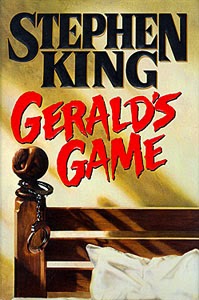
This is probably one of the most famous novels by
Stephen King but for some reason I've kept avoiding reading it. I really
dislike reading books where violence towards animals takes place and
I'd felt that this might be the case here. And while there was some, it
wasn't bad enough to put me off it.
Thee novel starts in a way
that is all too typical for modern horror movies. A family moves into
an old house on the outskirts of a town. It's a fresh start for Louis
Creed, his wife, their two young children (Ellie and Gage), and a cat.
Their first day doesn't start too well as Ellie falls off a swing and
her brother is stung by a bee. They are helped by an elderly man, Jud
Crandall. He is their neighbor and he soon forms a strong fatherly-like
friendship with Louis.
After a few weeks of living in a new
home, Jud takes the family for a walk and shows them a place called "Pet
Sementary". For Ellie, this is the first serious encounter with death.
The trip also provokes a heated conversation between Louis and his wife
Rachel. Later on in the book we get more insights into Rachel's
childhood and learn about traumatic events that affected her then.
There's another event that foreshadows events that will take place later
in the novel. During his first day at new work as a chief of campus
health service, Louis unsuccessfully tries to help a fatally wounded
student. The young man is a victim of a terrible car accident. Just
before dying, he addresses Louis personally, as if he's known him
before. During the night, the protagonist is visited by a ghost of
deceased student, who warns him about the Sementary. Life goes on, and as time passes, Luis stops thinking about the event. The events that will follow will profoundly shake his philosophy of life, death, and faith.
The story is not too complicated but I didn't perceive it as the main strength of the novel. What I found really interesting were numerous dialogs and some in-depth considerations on life and death. King approaches these subjects from different viewpoints, both that of a child and that of an adult. The combination of these two offers some interesting reflections. In a way, this book reminded me of King's latest work ("Revival") as both novels explore the theme of life after death.
Here King approaches the subject in a less scientific way, treating it
more like a great unknown, not a phenomenon we could understand using
scientific principles.